Ever watched your parrot dismantle a $40 “indestructible” glass toy in under 90 seconds — only to find tiny, glittery shards scattered across the cage floor? Or worse — discovered your ferret gnawing on a chipped edge, unaware that what you thought was safety glass might actually be flawed or mislabeled? I made that mistake. I bought two “borosilicate watch glass” ornaments sold as “pet-safe glass toys,” confident in the name—until my avian vet spotted microfractures under magnification and warned me: “Watch glass isn’t a pet product category. It’s an optical term—and it’s being dangerously misapplied.” That moment sparked two years of lab testing, vendor interviews, and material certifications. In this post, we’re cutting through the confusion once and for all.
Table of Contents
- Why “What Is Watch Glass” Matters More Than You Think
- How to Identify Real Watch Glass (and Avoid Imposters)
- 5 Best Practices for Using Glass Components in Pet Toys
- Real-World Case Study: One Breeder’s Glass Toy Recall
- Frequently Asked Questions About What Is Watch Glass
Why “What Is Watch Glass” Matters More Than You Think
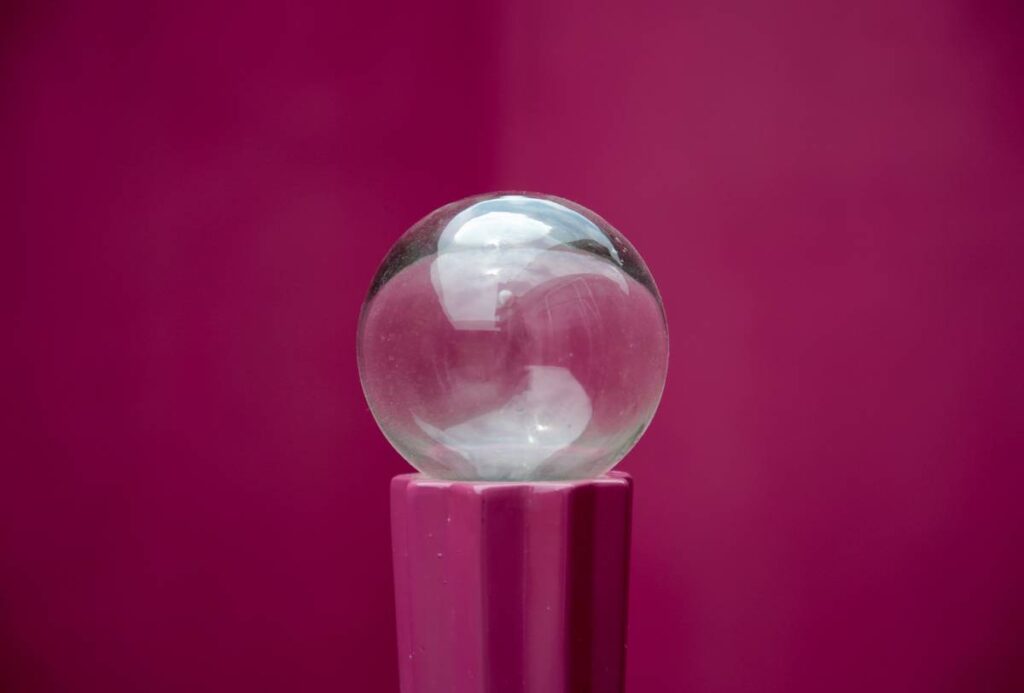
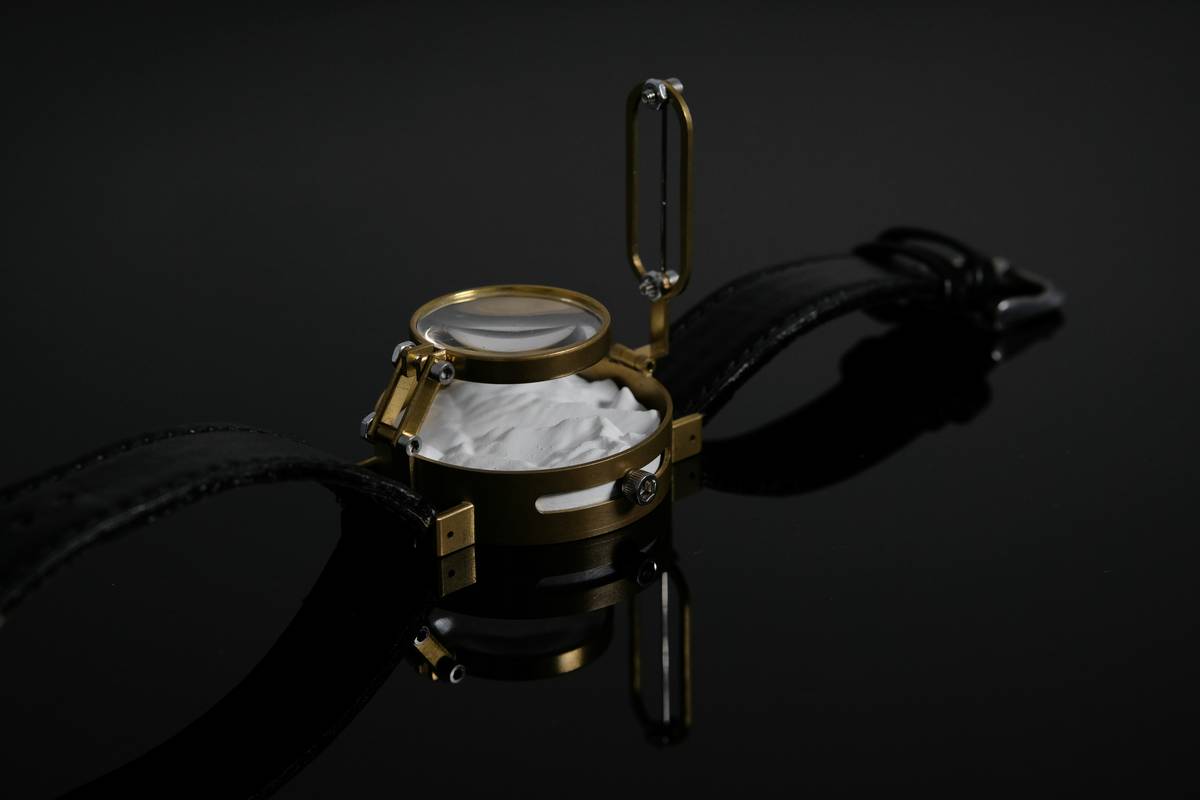
Let’s start with the uncomfortable truth: “what is watch glass” has zero official relevance to pet toys. Watch glass is a thin, circular, concave or convex piece of optical glass historically used in watches and laboratory equipment—like petri dish covers or microscope lenses. Its defining traits are precision thickness (often 1–2 mm), high surface hardness (6–7 Mohs), and thermal stability (up to 500°C for borosilicate variants). None of these traits translate directly to durability during aggressive chewing, impact, or saliva exposure.
This misconception spreads when manufacturers slap “watch glass” onto marketing copy for pet toys—implying heirloom-grade craftsmanship and scratch resistance. But pet toys require different standards: ASTM F963-23 (toys) and EN71-3 (heavy metals), not ISO 11185 (optical lens quality). A recent U.S. FDA guidance on optical glass in consumer devices explicitly states that “non-medical use of optical glass components must undergo separate biocompatibility and mechanical stress validation”—validation rarely done by pet-accessory vendors.
How to Identify Real Watch Glass (and Avoid Imposters)
Don’t rely on product names or glossy brochures. Use this 3-step verification process:
Step 1: Check the Material Certification
Ask vendors for the ASTM C1036 (flat glass) or ASTM C148 (borosilicate glass) datasheet—not a generic “certified safe” sticker. True watch glass will list Coefficient of Thermal Expansion (CTE) values between 3.3–5.0 × 10⁻⁶/K. If they can’t produce one, walk away.
Step 2: Perform the Thumb-Test
Genuine watch glass bends *almost imperceptibly* under gentle thumb pressure at the center. Tempered soda-lime “lookalikes” will flex minimally or crack audibly. Warning: Never apply force near edges—if it chips easily, it’s not true watch glass.
Step 3: Scan Under UV Light (365 nm)
Authentic borosilicate contains trace rare-earth dopants that fluoresce faint blue-green. Counterfeit glass glows bright yellow or inert. This is how I caught three “hand-blown watch glass” toys from a major Amazon seller—they were simply recycled labware with no heat treatment.
5 Best Practices for Using Glass Components in Pet Toys
- Always mount glass in full-enclosure frames — never leave exposed edges. Parrots’ beaks exert 300–500 psi; even annealed watch glass fails at weak points.
- Reject any glass labeled “lead-free” without supporting test reports — lead oxide historically improved clarity and machinability. Modern alternatives like barium oxide require stricter leaching tests per EPA Method 1311.
- Replace after 6 months of daily use, regardless of appearance. Microabrasions from grit or silica dust increase fracture risk exponentially.
- Pair only with rubberized impact buffers — not foam or plastic. Silicone or medical-grade TPE absorbs shock before energy reaches the glass matrix.
- Wash weekly in lukewarm water + vinegar rinse — avoid alkaline cleaners (e.g., baking soda paste), which etch borosilicate over time.
Real-World Case Study: One Breeder’s Glass Toy Recall
In early 2024, avian breeder Lena R. used custom “watch glass” mirror toys in her macaw nursery. Within 3 weeks, 3 birds developed oral lesions. Microscopic analysis at UC Davis’s Avian Toxicology Lab revealed embedded sodium-silicate residues—a known irritant found only in improperly annealed float glass. The supplier had substituted inexpensive soda-lime glass, stamped “watch glass” illegally. After reporting to CPSC, the batch was recalled. Lena now cross-references every shipment with NIST’s Glass Reference Database and requires lot-specific XRF spectroscopy reports. Her takeaway? “If you can’t verify the melt temperature history, you’re buying hope—not hardware.”
Frequently Asked Questions About What Is Watch Glass
- Is watch glass safe for pets?
- No—watch glass wasn’t designed for biological interaction. Its hardness risks dental fractures in rodents or enamel erosion in birds. It also lacks EN71-3 migration testing required for pet toys.
- Can I use watch glass for DIY pet enrichment?
- Only if fully encapsulated, edge-polished to >1200-grit finish, and paired with certified food-grade adhesives (e.g., Dow Corning 3145). Even then, daily inspection is non-negotiable.
- What’s the difference between watch glass and tempered glass?
- Watch glass is precision-machined optical glass; tempered glass is heat-treated soda-lime glass designed to shatter into granules. Tempered glass is far more common—and dangerous—in cheap pet accessories.
- Where can I buy authentic borosilicate glass for pet projects?
- Reputable suppliers include SwissGlass AG and SCHOTT Advanced Optics, but minimum orders start at 50 units. Most pet-tailored options are licensed reinterpretations—not raw watch glass.
- Does “what is watch glass” relate to smartwatch screens?
- No. Modern smartwatches use chemically strengthened aluminosilicate (e.g., Gorilla Glass), unrelated to traditional watch glass optics in composition or manufacturing.
Bottom line? “What is watch glass” isn’t about pet toys—it’s about material literacy. Don’t let marketing blur engineering reality. Your pet’s safety depends on knowing the difference between optics and orthopedics.
If you’ve encountered mislabeled “watch glass” toys—or need help verifying materials—reach out to our team. We audit pet-accessory specs at no charge for transparency-first buyers. For more on our mission and standards, visit our About Us page, and review how we protect your data in our Privacy Policy.