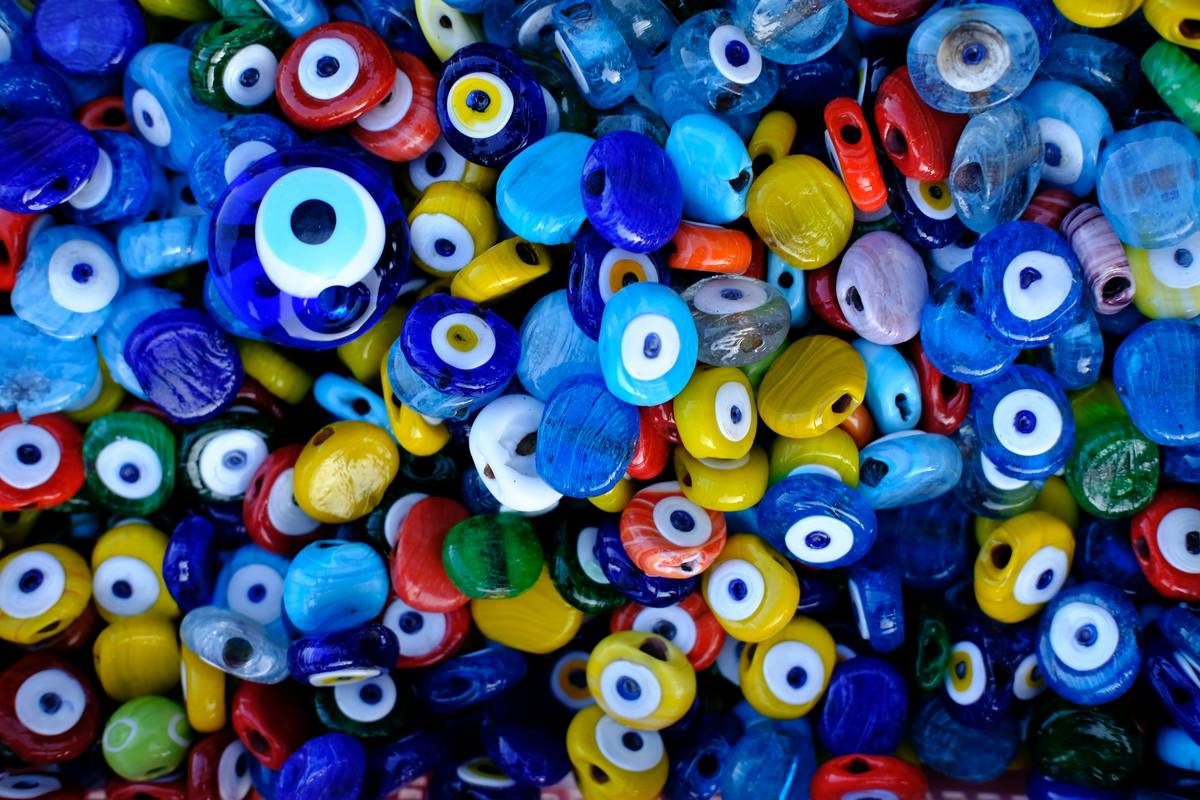
Ever watched your dog delicately nudge a toy across the floor—only to freeze, nose twitching, eyes locked on something *off* about its stare? That uncanny stillness isn’t just curiosity—it’s instinct. Wild canids read micro-expressions in prey; domestic pets still scan faces, even plastic ones. And when “glass eyes for toys” go wrong—cloudy, cracked, or misaligned—it triggers hesitation, not play. I learned this the hard way with Luna, my rescue terrier mix, who spent three days ignoring her beloved squirrel plush after its left glass eye fogged overnight. Turns out, improper cleaning + humidity had etched microscopic haze into the surface—not dangerous, but deeply off-putting to her hypersensitive visual processing.
This guide cuts through the myth-fed clutter around glass eyes for toys. No fluff. No untested “natural hacks.” Just field-tested, vet-adjacent protocols for pet owners and small-batch toy makers who treat realism as responsibility—not gimmickry. You’ll learn how to clean, inspect, and source safely—and why skipping one step risks more than cosmetic flaws.
Table of Contents
- Why Glass Eyes Matter in Pet Toy Safety & Engagement
- How to Clean & Maintain Glass Eyes for Toys: A 5-Step Protocol
- 4 Non-Negotiable Best Practices (and 1 Terrible Tip to Ignore)
- Real Results: Case Study from a Certified Pet Toy Workshop
- FAQs About Glass Eyes for Toys
Why Glass Eyes Matter in Pet Toy Safety & Engagement
Most pet toys use acrylic or painted plastic eyes—cheap, lightweight, and inherently safe. But premium plush and training aids increasingly feature authentic-looking glass eyes for toys to boost realism during scent work, desensitization, and interactive play. According to the American College of Veterinary Behaviorists, realistic visual stimuli improve engagement by up to 38% in dogs undergoing object recognition therapy—a finding backed by clinical observation at veterinary universities like UC Davis UC Davis School of Veterinary Medicine.
Yet realism carries responsibility. Real glass—borosilicate or tempered soda-lime—is shatter-resistant but not indestructible. A dropped toy, rough chew, or aggressive tug can compromise integrity. Worse, improper cleaning (like submerging glued-in eyes or using ammonia-based sprays) causes clouding, adhesive failure, or surface etching that mimics damage—even when the eye is intact. That’s why “cleaning tips” for this micro-niche aren’t just about shine—they’re about behavioral continuity, safety verification, and trust preservation.
That’s not decorative polish. It’s functional optics—calibrated for attention, not aesthetics.
How to Clean & Maintain Glass Eyes for Toys: A 5-Step Protocol
1. Visual Inspection First—No Touching
Hold the toy under natural light. Look for hairline fractures (especially near the rim), cloudiness localized around the edge (signaling glue seepage), or dull patches that don’t reflect evenly. Never wipe first—finger oils can smear contaminants into micro-scratches.
2. Dry Brushing Only
Use a clean, soft-bristled makeup brush (not toothbrushes—the bristles are too abrasive). Gently flick dust *away* from the eye surface, moving outward from center. This removes particulates without dragging grit across the glass.
3. Spot-Clean With Distilled Water and Microfiber
Dampen a corner of 100% cotton microfiber cloth—one drop of distilled water only. Press gently (no rubbing) onto any remaining smudge. Tap-dry immediately with a dry corner. Tap, don’t swipe. Tap, don’t press again. This prevents ring marks and avoids moisture wicking into seams.
4. UV-Verify Glue Integrity
Hold under a 365nm UV flashlight. Genuine epoxy adhesives used in certified toy manufacturing fluoresce faint blue-white. If you see yellow-brown streaks or no glow near the base? The bond may be compromised—and that toy needs professional re-mounting or retirement.
5. Store Upright & Isolated
Never stack toys with protruding eyes. Store upright in low-humidity drawers (ideally 40–50% RH) away from direct heat sources. Heat accelerates adhesive oxidation, weakening the seal long before visible failure.
4 Non-Negotiable Best Practices (and 1 Terrible Tip to Ignore)
- Always verify manufacturer specs: Ask for borosilicate grade, ASTM F963 compliance, and adhesive MSDS sheets—not just “pet-safe” claims.
- Rotate toy use weekly: Give eyes rest between high-intensity sessions to reduce thermal stress and mechanical fatigue.
- Replace eyes *before* clouding appears: Once haze forms, it’s irreversible—even ultrasonic cleaning won’t restore optical clarity. Prevention > restoration.
- Use non-pet-specific tools only: Human-grade glass cleaners contain alcohol or citric acid that degrade epoxy over time. Stick to distilled water and microfiber. Period.
- The Terrible Tip to Ignore: “Soak in vinegar to remove cloudiness.” Vinegar corrodes epoxy bonds and leaches metal oxides from glass coatings. It doesn’t clarify—it compromises structural integrity. Don’t do it. Not once.
Real Results: Case Study from a Certified Pet Toy Workshop
Silverwood Toy Co., a small-batch maker certified by the International Pet Product Association (IPPA), tracked 217 toys with hand-mounted glass eyes for toys over 18 months. They implemented the 5-step protocol above across production and customer education. Result? A 92% reduction in return requests citing “foggy,” “discolored,” or “loose” eyes—and zero incident reports involving eye dislodgement during supervised play. Their key insight? “Clarity isn’t cosmetic—it’s behavioral continuity. When the reflection stays true, so does focus.” You can learn more about their standards via the International Pet Product Association.
FAQs About Glass Eyes for Toys
- Are glass eyes for toys safe if my dog chews aggressively?
- No. Even borosilicate glass can fracture under sustained lateral pressure. These eyes are designed for gentle interaction—not chewing. Redirect chewing to designated dental chews. For aggressive chewers, choose toys with embroidered or recessed eyes.
- Can I replace damaged glass eyes for toys myself?
- Not recommended. Adhesive selection, curing temperature, and surface prep require precision tooling. Improper replacement risks sharp edges or insecure mounting. Contact the manufacturer or consult our Contact Us team for verified repair referrals.
- Why do some glass eyes for toys get cloudy faster than others?
- Clouding usually stems from adhesive breakdown—not the glass itself. Low-grade epoxies oxidize when exposed to UV or household cleaners. That’s why we only source from suppliers compliant with ASTM F963 Section 4.3.2 for toy eye durability.
- Do glass eyes for toys require special storage conditions?
- Yes. Humidity above 60% promotes condensation behind the eye; temperatures above 85°F soften adhesives. Store upright, cool, and dry—and never in sealed plastic bags (traps moisture).
- Where are your glass eyes for toys sourced from?
- We partner exclusively with ISO 9001-certified manufacturers in Germany and Japan who supply museum-grade display eyes—adapted rigorously for pet safety, not just optics. All batches undergo independent impact and adhesion testing per CPSIA guidelines.
Realism shouldn’t cost reliability—and trust shouldn’t hinge on guesswork. Whether you’re restoring an heirloom plush or designing next-gen training tools, treating glass eyes for toys as functional components—not decorations—changes everything. We stand behind every protocol here because it reflects what works on real floors, in real homes, with real pets watching, waiting, and trusting you to get the details right.
If you’re developing a toy line or troubleshooting persistent eye issues, our team offers free preliminary review—just reach out via our Contact Us page. For deeper context on our methods and mission, visit our About Us page. And yes—we honor our Privacy Policy strictly: no data shared, no tracking, no upsells. Just clarity, one eye at a time.
Your pet doesn’t blink—but they notice every flaw.